Impact-driven Volunteer
Location
Worldwide
Hard Skills
Multi-task Operational Support Cross-cultural Communication Crisis Management Rapid Prioritization Impact Tracking
Soft Skills
Adaptability to unfamiliar Grounded Decision-making Community-oriented Mindset Teamwork in mixed-skill groups Observational Awareness
Timeframe
2024-2025
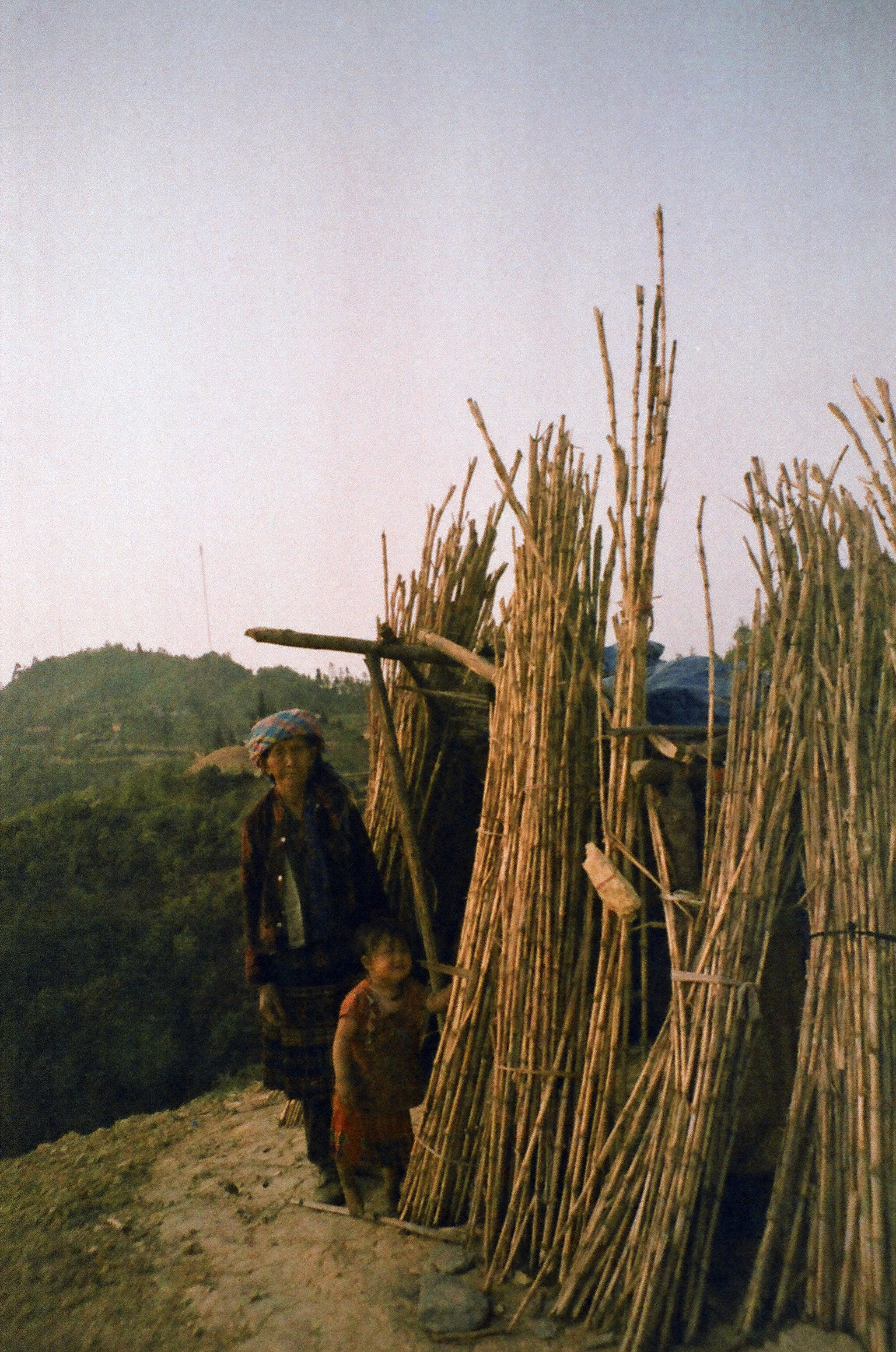
Working within impact-driven projects meant stepping into environments where the consequences of our actions were immediate and visible. No polished presentations, no buffer zones: just people, ecosystems, and concrete needs.
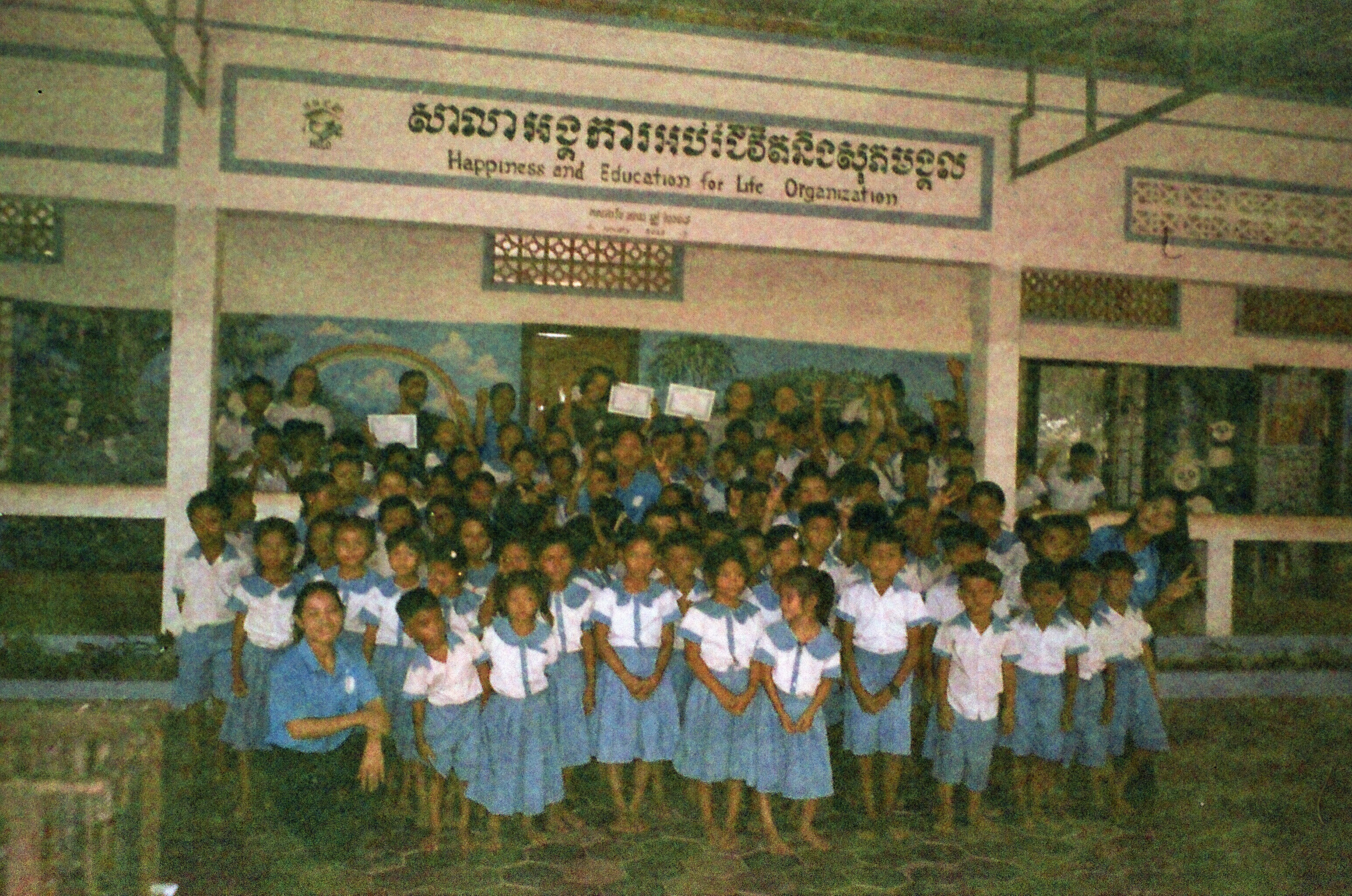
Sometimes that meant adapting to the rhythm of a country house and its vegetable garden in Liguria, other times learning to help communities in unfamiliar contexts, like supporting underprivileged children in Cambodia.
Each environment required presence, responsibility, and the ability to learn quickly.

Our role was never just to “help”; it was to bring method, awareness, and collaboration.
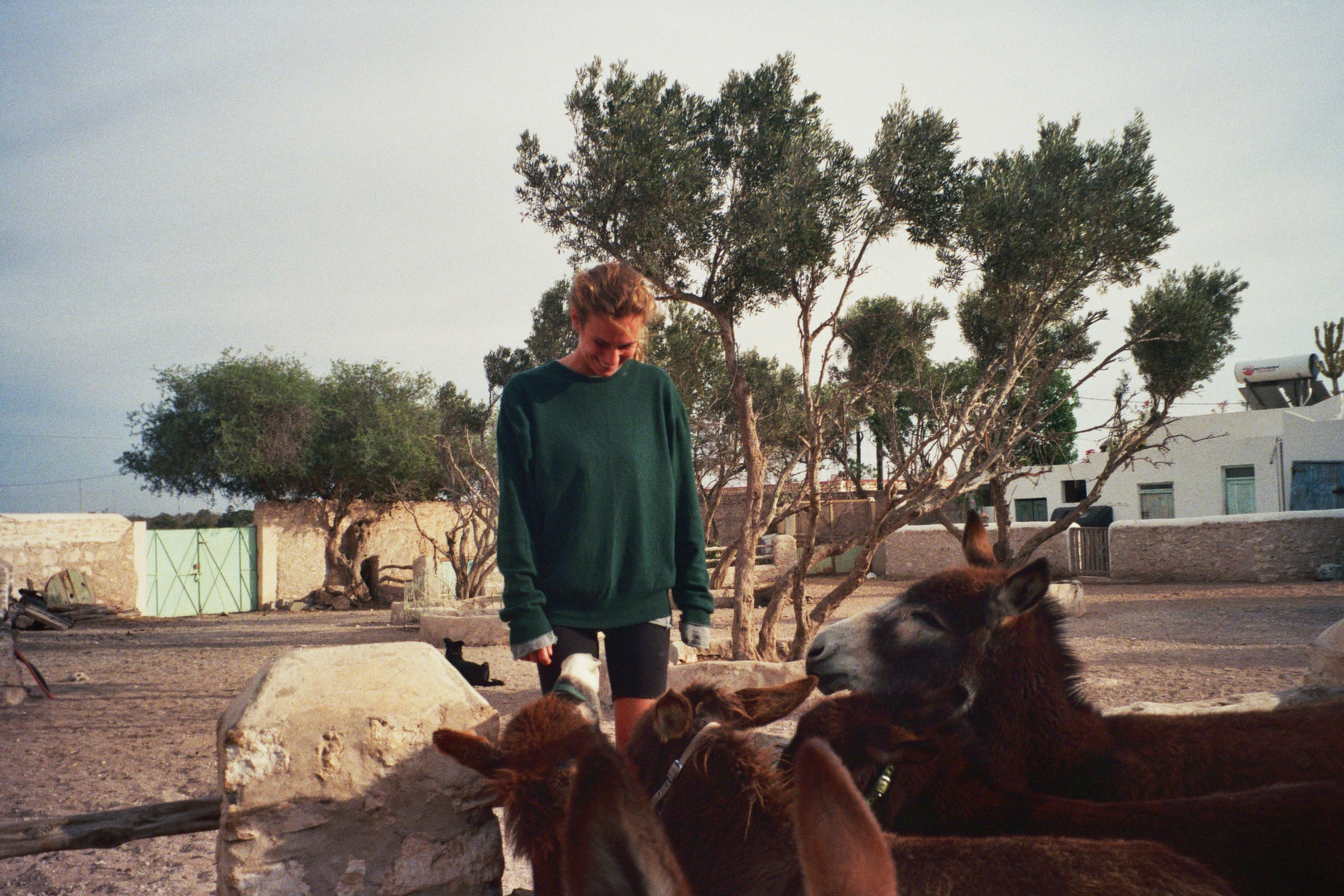
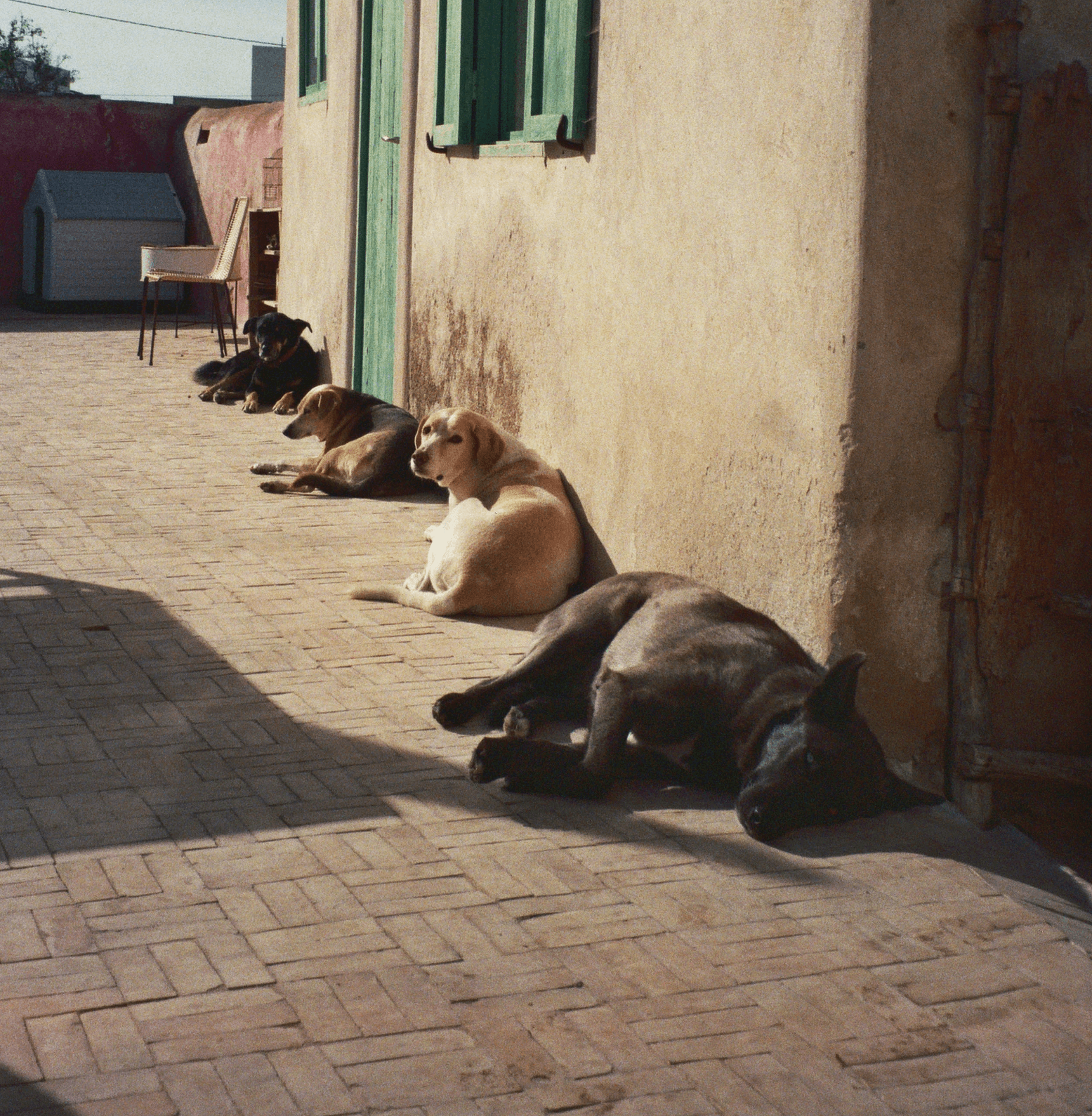
We coordinated daily routines, maintained spaces and processes, cared for animals in rescue settings (as we learned in Morocco), and supported the people who keep these often-fragile initiatives alive.
It demanded understanding when to act, when to observe, and when to propose more sustainable ways of organizing the work, like scheduling weekly activities at a Guatemalan NGO.
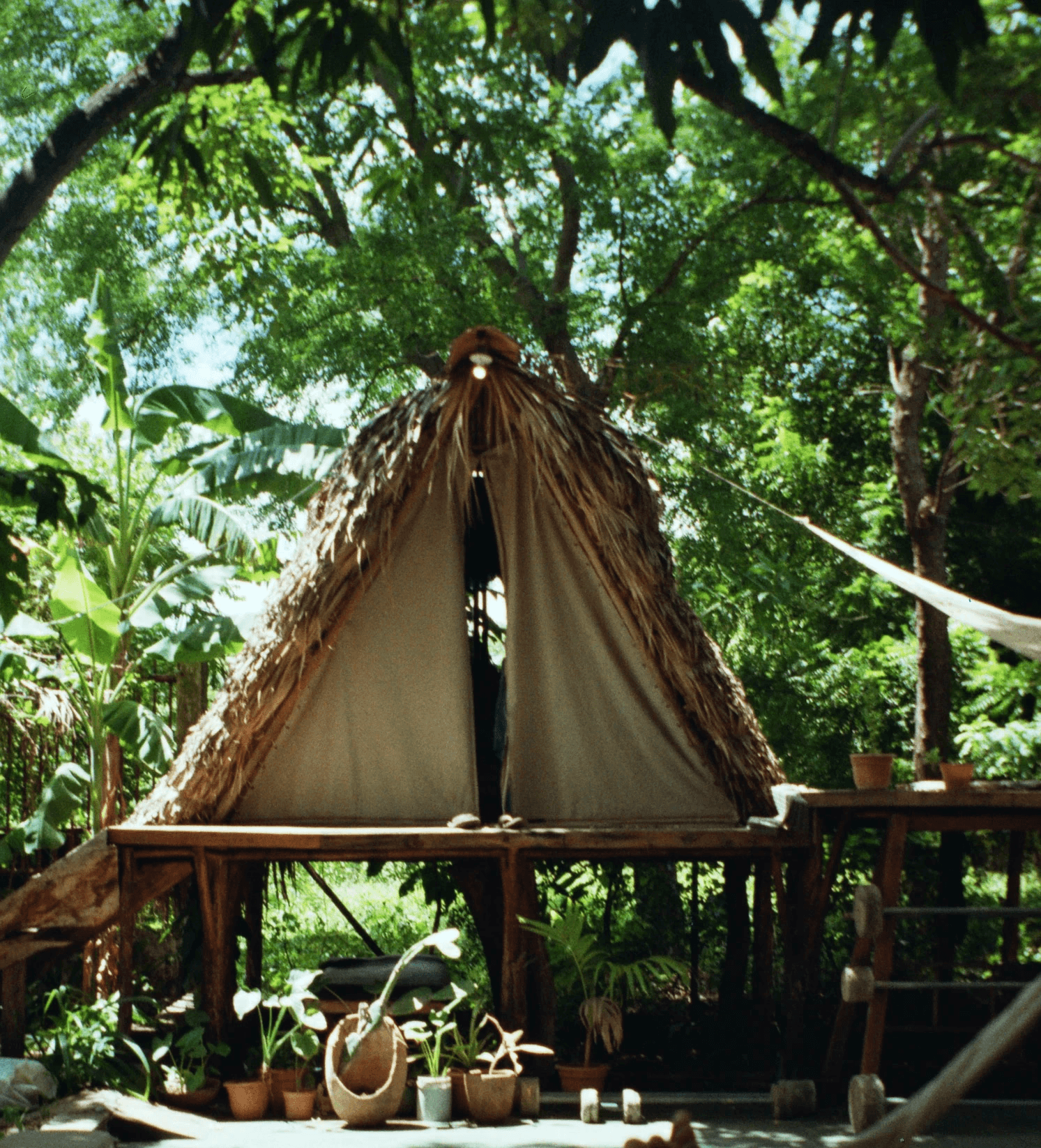
We strengthened these skills in resource-limited environments, such as building a home with cob in rural Mexico, where adaptability, creativity, and working with what was available were not optional but essential.
These experiences taught us a different form of professionalism: one born from practice, observation, and the ability to adapt without losing intention.
They gave us a clearer sense of what real impact looks like: small but meaningful, constant but essential.
We now carry that blend of care, efficiency, and human attention into every project we approach. Whether personal, professional, or community-based.